Introduction
Modern IT operations teams are under constant pressure. Alert volumes keep rising, environments keep getting more complex, and critical incidents can still slip through the noise. For many teams, the result is alert fatigue, slower response times, and too much manual investigation.
That’s the reality of modern IT operations, and it’s exactly the kind of problem an event intelligence system is designed to solve.
An Event Intelligence system helps IT teams cut through noisy alerts, correlate signals across the stack, identify likely root causes, and respond faster to incidents. As enterprise environments continue to expand across hybrid and multi-cloud infrastructure, many organizations are looking beyond traditional monitoring tools for a more intelligent and proactive approach.
In this guide, we’ll explain what an event intelligence system is, how it works, why it matters for IT operations, and how platforms like Scout are helping redefine the category.
What is an Event Intelligence System?
An Event Intelligence System (EIS) is a cutting edge platform that collects, correlates and analyses IT events from across your entire infrastructure servers, networks, applications, cloud services to turn raw data into actionable operational insights.
Unlike traditional monitoring tools that basically pass alerts on to your team, an EIS uses machine learning and automation to:
- Cut through the noise and alert storms
- Turn related events into single incidents
- Automatically identify the root cause
- Predict problems before they impact usersWhat does this mean for reliability next week?
- Kick off automated remediation workflows
Think of it like the difference between a fire alarm that just beeps and a fire suppression system that finds the source, puts out the fire and calls the fire department all without waking you up first.
Tired of alert overload? See how Scout cuts alert noise by 85% and surfaces only what matters
Event Intelligence vs. Traditional Monitoring: Key Differences
Traditional monitoring tools were designed for simpler, more static IT environments. Today’s hybrid, multi-cloud infrastructures are generating thousands of events per minute. Here’s how the two approaches compare:
| Aspect | Traditional Monitoring | AI Observability / AIOps |
| Alert Volume | 200+ alerts/day, mostly noise | 15–20 precise, actionable alerts |
| Root Cause Detection | Manual, takes hours | AI-driven, under 10 minutes |
| Issue Detection | After user reports | 3–5 minutes before impact |
| Correlation | None or manual rules | Automated AI correlation |
| Predictive Capability | Reactive only | Predicts issues before they occur |
| MTTR | 4–6 hours average | 45–90 minutes average |
The difference is stark. An event intelligence system doesn’t just observe your infrastructure it actively works to protect it.
How Does an Event Intelligence System Work?
A modern EIS works through a layered intelligence pipeline. Here’s a simplified look at how it works in IT operations:
1. Event Collection & Ingestion
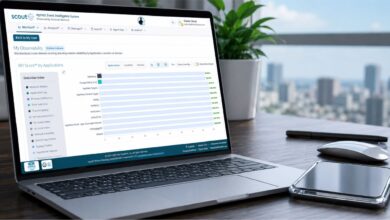
We bring in events from all your monitoring sources – infrastructure metrics, application logs, network telemetry, cloud services and third party tools like Prometheus, Grafana, Datadog, or New Relic. Scout’s Central Monitoring & Insights dashboard consolidates everything into a single unified stream with no blind spots.
2. AI-Powered Correlation & Deduplication
Raw events get processed through machine learning models that spot patterns, group related signals together and eliminate duplicate alerts. What used to be 150 alerts becomes 3 meaningful incidents.
3. Root Cause Analysis
The system traces the chain of events back through your infrastructure layers from symptom to source.Scout’s AI-Powered Insights engine pinpoints root cause in seconds, not hours.
4. Predictive Anomaly Detection
Using historical trends and analysis, the EIS spots abnormal behavior before it gets out of hand. It flags the early warning signs your team would never catch manually.
5. Automated Response & Remediation
Based on defined policies, the system can auto-remediate common issues, open tickets, notify the right teams, or trigger runbooks all without human intervention.
Why IT Teams Need Event Intelligence in 2026
The case for adopting an event intelligence system is stronger than ever. Here’s why IT and DevOps teams are making the shift:
Alert Fatigue is a Crisis
Research consistently shows that IT teams receive far more alerts than they can meaningfully process. Most are false positives or low-priority noise. Alert fatigue leads to missed incidents, slow response times, and burned-out engineers.
Infrastructure is Too Complex for Manual Monitoring
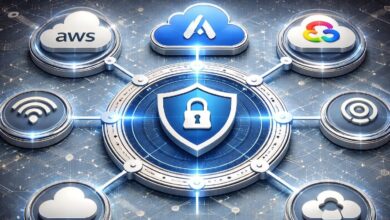
Modern environments span on-premises servers, AWS, Azure, GCP, containers, microservices, and SaaS applications. In 2026, the average enterprise runs workloads across 3+ cloud providers no human team can track thousands of interdependencies manually. AI-powered event intelligence does it automatically.
Downtime is Expensive
Unplanned downtime will cost your organization tens of thousands of dollars per hour – but in the e-commerce or fintech worlds, it can be a lot worse than that. Event intelligence that gets out ahead of a problem means that outages don’t happen before your customers even know about them.
Reactive IT is No Longer Good Enough
Waiting for users to report issues is not a strategy. Event intelligence enables IT teams to shift from reactive firefighting to proactive prevention. Explore how Scout helps SRE teams achieve 99.9% uptime
Core Capabilities of a Modern Event Intelligence Platform
Not all event intel platforms are created equal. Here’s what you should be looking for:
1. Real-time event collection from every level of your infrastructure
The platform has to be able to collect events from all over network, app, cloud and on-premises, so there are no blind spots.
2. AI-driven alert correlation and noise reduction
Look for ones that can reduce alert volumes by 80% or better and still get the important stuff through.
3. Automated root cause analysis
The EIS should be able to pinpoint the exact source of an issue across all the different layers in your environment in minutes, not hours.
4. Predictive anomaly detection
Good ones should be able to pick up on any changes to normal behaviour before things start to go wrong.
5. One dashboard to rule them all
A unified observability dashboard that brings everything together in one place so you don’t have to juggle multiple tools at once.
6. Reliability scoring (like RPI)o rule them all
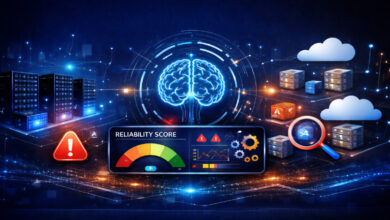
A quantified reliability score means that you and your business stakeholders have a clear understanding of how healthy your infrastructure is.
How Scout Delivers Event Intelligence for IT Operations
Scout-itAI is built on a complete event intelligence system that’s been designed for the hybrid, multi-cloud world. It combines a unified view, some predictive smarts, and a governed AI workforce that’s actively working on your infrastructure – not just passively watching it.
Some of its special capabilities include
- 85% less alert noise thanks to AI-powered event correlation
- Spotting the root of the problem 10 times faster than doing it manually
- Predictive alerts that shout about issues 3-5 minutes before you have a problem on your hands
- A Reliability Path Index (RPI) a single score that gives you a clear view of the health of your whole stack
- A Promise Theory-based architecture the only agentic AI platform built on this framework
- You can get set up in just 5 minutes, with integrations for just about everything you need
- SOC 2 Type II certified and HIPAA-compliant monitoring
Whether you’re a DevOps Team fighting alert fatigue, an SRE team targeting 99.9% uptime, or an enterprise IT Leader unifying monitoring across hundreds of services Scout gives you the event intelligence to make it happen. See our customer case studies to understand the real-world impact.
Conclusion
An event intelligence system isn’t just about upgrading your monitoring it’s a whole new way that IT operations teams work. By taking all those alert floods and turning them into useful insights, swapping out manual investigation for AI-driven root cause analysis, and shifting from reactive to proactive you turn your team from firefighters into strategic reliability engineers.
As your infrastructure gets more complicated and business expectations for uptime crank up, the question isn’t whether you need event intelligence it’s whether you can afford to do without it. Want to see how this works in your environment? Schedule a Demo of Scout and watch event intelligence in action.
Frequently Asked Questions
An event intelligence system (EIS) is an AI-powered IT ops platform. It collects and analyses all the events from across your infrastructure, and uses that to give you actionable insights, reduce alert noise, pinpoint the root cause, and predict outages before they happen..
AIOps is the broader category of applying AI to IT ops. Event intelligence is a specific bit of AIOps that focuses on processing and correlating all those IT events and alerts. Gartner used to have it as a part of AIOps, but now they treat it as a separate market category because it is so focused.
Event intelligence systems use machine learning to correlate all those related alerts into single incidents, kill off redundant noise and only show you the ones that really need your attention. Ones like Scout-itAI can reduce alert volume by up to 85%, so you can focus on the things that actually need your time.
Teams like DevOps, SRE and IT operations centers (or ITOCs for short) along with managed service providers (MSPs) tend to get the most out of an event intelligence system. Any team dealing with complex distributed infrastructure and getting buried under alert overload are going to be a great fit.
The system looks back over a connected chain of related events from where things started going bad right down through the infrastructure to the actual cause. The software uses AI to map out how the different parts of the system fit together and usually identifies which piece triggered the whole mess in under 10 minutes.
Yeah. Modern EIS platforms will use things like anomaly detection and looking at trends to spot when things are getting out of whack before they turn into an actual incident. Our own predictive alerts will flag problems 3 to 5 minutes before the users are noticeably affected, so in theory teams can do something about it.
With monitoring you get a whole bunch of raw alerts that don’t really tell you anything – no context, no correlations. Event intelligence on the other hand adds in the AI to take all the signals, make some sense of them and turn it into something actionable – a handful of insights that actually tell you something.
Fortunately, with a cloud-native design and some pre-built integrations modern EIS platforms like ours can have a team up and running in as little as 5 minutes without needing to rip out existing monitoring software.
Yes. These platforms are designed to take in information from all sorts of different environments – AWS, Azure, GCP, that old on-prem stuff and SaaS apps, you name it – and give you a unified view over the whole stack.
The Reliability Path Index (RPI) is our flagship feature – basically a single overall score that takes in performance data from across your entire infrastructure and boils it down to something easy to understand. This helps IT leaders and business types actually talk the same language about how reliable the infrastructure is.

Tony Davis
Director of Agentic Solutions & Compliance